Need tree removal in Baltimore?
Send a few details about your tree through the estimate form, or email contact@customersmoke.garden. A local provider in our network can follow up with a written quote.
No obligation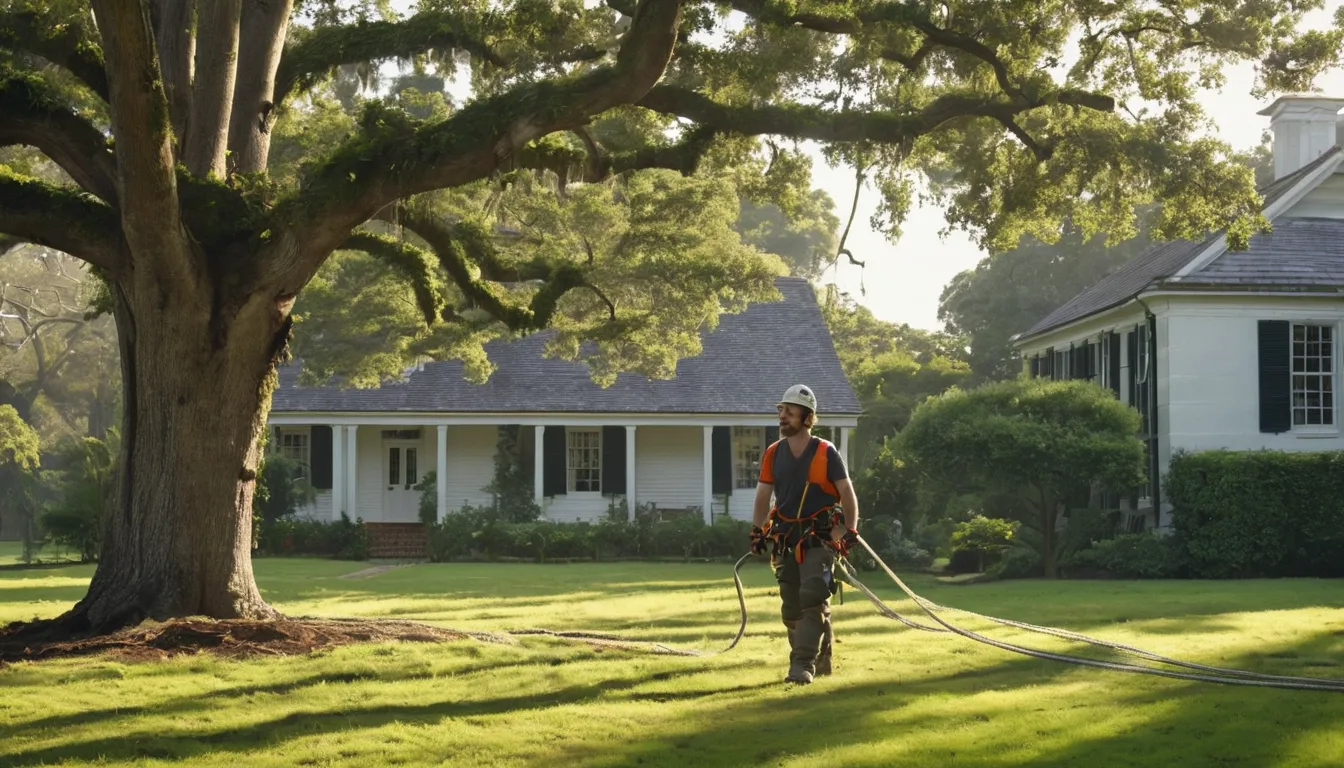
Request a written estimate
A tree can look manageable from the ground. Then you see the power line, the roof, or the lean. Customersmoke Tree Service is a referral service for Baltimore homeowners who want a clear answer on what to handle themselves and what needs trained climbers and heavy equipment.
We do not cut trees. We connect your request with an independent provider in our network, who looks at the job and gives you a written quote. Quote before chainsaw. Whether the tree is leaning, split, dead, or simply in the wrong spot, you can request an estimate and compare your options across the Baltimore area without any pressure.
Stand back and look at the whole tree first. Check the trunk, the branches, the ground around the base, and what sits underneath. Houses, fences, cars and wires all change the plan.
Ground first, then ropes. If the work can be done safely from the ground, it may be a homeowner job. If it needs climbing, rigging or a lift, it belongs to a professional.
Some warning signs are easy to spot.
One sign may only call for a closer look. Several together are a good reason to ask a provider to inspect it.
Not every removal is about danger. Some people want more sun for a garden. Others need room for an addition, a driveway or a new fence. Roots can lift walkways, and heavy shade can keep a lawn thin. Those are fair reasons too.
Small jobs can suit a careful homeowner. Think of a young sapling, a shrub, or a low limb you can reach with both feet on the ground. Use sturdy gloves, eye protection and a hand saw or pole pruner.
Stop when the work needs a ladder, a chainsaw above shoulder height, or a cut that could drop wood toward you.
Bring in a provider when any of these apply.
Trees hold tons of weight, and wood under tension can snap in unexpected directions. Trained climbers read that tension for a living.
A provider usually starts with a walk-around. They check the species, the lean, the access and the drop zone. Then they set up ropes, protect what is nearby, and take the tree down in sections or in one piece if there is room.
Crews haul away logs and brush unless you agree otherwise. A quick conversation before the visit sets those details.
Size matters most, but it is not the only factor. Access, nearby structures, tree health and cleanup all shape the quote. A tree over a roof or beside wires needs more rigging and more time.
Prices vary by job and by region, so get a written quote before any work begins.
Some towns protect larger or older trees. Others require a permit for removal near streets, wetlands or historic areas. Rowhouse blocks may also involve shared walls or street trees owned by the city.
Check with your local municipality or homeowner association before work starts. Many providers know the local rules and can point you the right way.
Humid summers push fast growth and heavy canopies. Nor'easters bring strong gusts, and winter ice and thaw cycles can stress weak limbs and roots. Late fall and winter, when leaves are down, can make structure easier to inspect.
A tree that worries you before storm season is better handled early than after a limb comes down.
Ask each provider a few plain questions.
Providers in our network are independent businesses. Verify their credentials directly before you agree to anything.
Move cars out of the driveway and off the street if you can. Clear lawn furniture, grills and play sets from the work area. Keep kids and pets indoors.
Tell the provider about sprinkler heads, buried lines and fragile plants. Showing them the gate or the easiest access path saves time.
Stay calm and stay away from it. Keep everyone clear of any wires, and treat them as live. If a tree is on a house or blocking a road, contact your utility or local emergency line first.
After that, take photos for your records and ask a provider about storm tree clearance. Some policies may cover sudden damage, so check your policy. Providers can often help document damage for a claim.
Walk the yard with the provider before they leave. Check that logs, branches and sawdust are handled as agreed. Ask about the stump, since stump grinding is a separate step many homeowners schedule next.
Fill the hollow with topsoil, then seed or plant when the season suits. Some people choose a new, better-placed tree.
Send a few details and a photo or two. A local provider can review the job and give you a written quote. Request a callback to check provider availability, or use the request form.
A local provider reviews the tree and gives you a clear written quote before any cutting begins.
Trained climbers use ropes and rigging to lower limbs and trunk sections away from your home.
Ask about hauling away logs, branches and sawdust so your yard is left tidy when work ends.
Many providers can also grind the stump, either in the same visit or as a separate job.
These are typical U.S. ranges, not quotes. Your price depends on tree size, access, nearby structures and cleanup needs. Ask each provider for a written quote that lists exactly what is included.
| Job type | Typical range | Notes |
|---|---|---|
| Small tree (under 30 ft) | $150 – $500 | Easy access, open drop zone |
| Medium tree (30–60 ft) | $400 – $1,200 | Often needs climbing and rigging |
| Large tree (60 ft or taller) | $1,000 – $2,500 | More time, more equipment |
| Tree near house or wires | $1,500 – $3,500 | Careful sectional removal |
| Stump grinding | $100 – $600 | Depends on diameter and roots |
| Storm-damaged tree | $500 – $3,000 | Varies with hazard and access |
Tell us about the tree, its size and location, and add a photo if you have one.
We connect your request with an independent local provider in our network.
The provider assesses the job and sends a written quote with the full scope of work.
Pick a date that works, prepare the yard, and let the provider handle the tree.
Requests go to independent providers who know area homes, yards and seasonal weather patterns.
Simple advice helps you sort DIY work from jobs that need trained climbers.
You review the scope and price on paper before you agree to anything.
Request an estimate with no obligation and take time to compare.
Send a few details about your tree through the estimate form, or email contact@customersmoke.garden. A local provider in our network can follow up with a written quote.
No obligationIn the U.S., many removals run from about $150 for a small tree to $2,500 or more for a large one. Access, nearby buildings and cleanup change the price, so get a written quote.
It depends on your town. Some places protect large or older trees, or trees near streets and wetlands. Check with your local municipality or homeowner association before work starts.
Small saplings and low limbs can be a careful DIY job. Anything tall, leaning, near wires or over a roof is risky. Trained providers have the rigging, equipment and insurance for that work.
Send a few details about your tree through the estimate form, or email contact@customersmoke.garden. A local provider in our network can follow up with a written quote.
No obligation